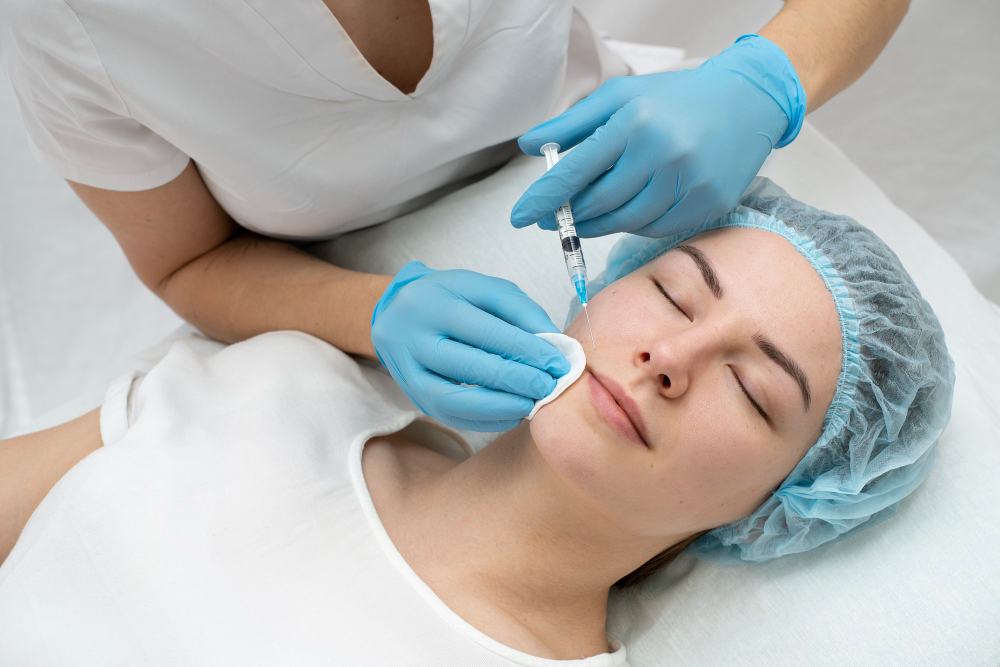
Exosome therapy is rapidly redefining the future of regenerative aesthetics. Unlike traditional treatments that focus only on surface correction, exosomes operate at the cellular communication level — helping skin repair itself through biological signalling pathways.
Derived from stem-cell communication systems, exosomes are extracellular vesicles packed with growth factors, peptides, lipids, amino acids, and genetic signalling molecules. Their primary role is to transfer regenerative instructions between cells, accelerating repair and restoring cellular function.
In aesthetic medicine, practitioners are increasingly integrating exosome therapy into protocols involving microneedling, laser resurfacing, PRP enhancement, and post-procedure recovery. The reason is simple: patients are demanding treatments that deliver not only visible improvement, but also biological skin restoration.
Clinical observations suggest exosome-supported procedures may help improve:
- Skin texture and elasticity
- Recovery time after invasive procedures
- Hydration retention
- Inflammatory response
- Hair follicle stimulation
- Long-term collagen synthesis
One of the most promising applications is post-laser recovery. Patients often experience reduced redness, faster healing, and improved comfort following treatment when exosome formulations are applied immediately after energy-based procedures.
However, protocol quality remains critical. Factors such as formulation purity, storage stability, concentration, and clinical delivery methods significantly affect outcomes. This is why pharmaceutical-grade production and validated protocols are becoming the new standard within advanced regenerative medicine.
For practitioners, exosomes represent more than a trend — they signal a shift toward biologically intelligent aesthetics where regeneration becomes part of every treatment plan, not an optional add-on.
By DR. TAHA THEMED — Medical Affairs AURA